Health
asbestlint: Hidden Risks, Lasting Lessons, Safer Futures Ahead

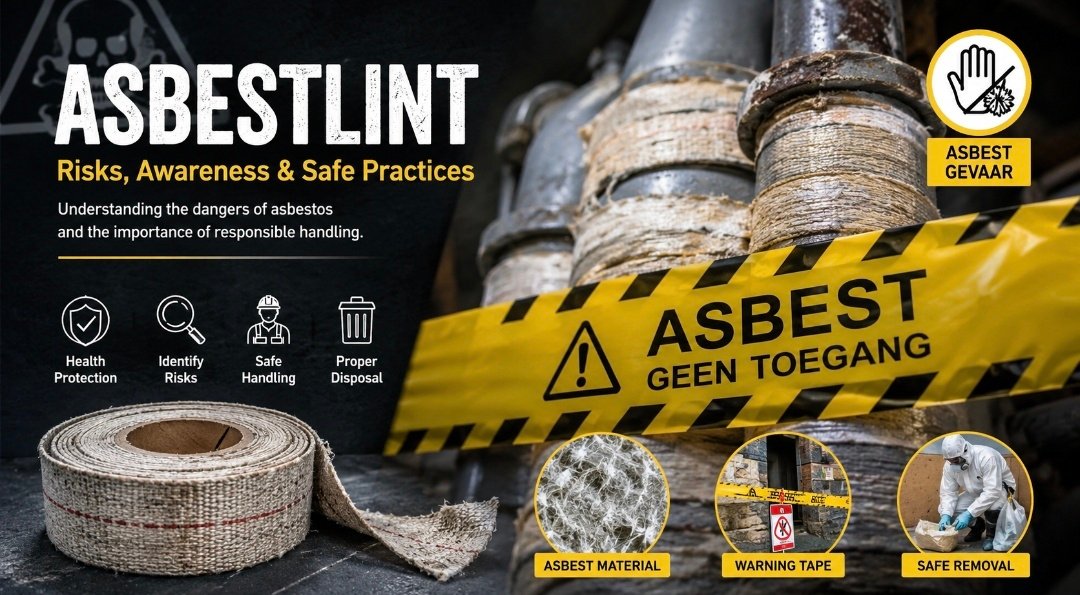
The story of asbestlint is deeply connected to one of the most controversial materials ever used in construction and industrial development. For decades, asbestos-based products were praised for their durability, fire resistance, affordability, and insulating properties. Builders, manufacturers, and engineers considered asbestos a revolutionary material that could withstand extreme temperatures while strengthening countless products. Yet what was once celebrated as a technological breakthrough eventually became recognized as a major public health concern. Today, discussions surrounding asbestlint reflect not only the history of asbestos use but also the ongoing efforts to identify, manage, and eliminate its risks from homes, workplaces, and public infrastructure.
Understanding the Meaning and Origin of asbestlint
The term asbestlint is commonly associated with asbestos-containing tape, lint-like asbestos residue, warning materials, or asbestos-related sealing products depending on regional usage and industry context. In Dutch-speaking environments, the word combines “asbest,” meaning asbestos, with “lint,” meaning tape, ribbon, or strip. Historically, asbestos tape and similar materials were widely used in industrial settings because they could resist heat, reduce fire hazards, and provide insulation around pipes, ducts, boilers, and electrical systems. Over time, as scientific evidence revealed the dangers of airborne asbestos fibers, the perception of these materials changed dramatically. What had once been viewed as practical protection became recognized as a potential source of long-term health risks.
READ MORE: tracqueur: The Smart Tracking Revolution Reshaping Mobility
The Rise of Asbestos in Modern Construction
To understand the significance of asbestlint, it is necessary to examine the broader history of asbestos itself. During the late nineteenth century and throughout much of the twentieth century, asbestos became a cornerstone of industrial growth. Its ability to resist heat, chemicals, and electricity made it attractive across numerous industries. Factories, shipyards, power plants, and residential construction projects relied heavily on asbestos-containing materials. Insulation products, roofing sheets, cement panels, pipe coverings, and sealing tapes frequently incorporated asbestos fibers. The rapid expansion of infrastructure after World War II further accelerated demand, embedding asbestos products into millions of buildings worldwide.
Why Asbestos Tape Became So Popular
One of the most important applications linked to asbestlint was heat-resistant tape. Manufacturers produced specialized asbestos tapes that could wrap around exhaust systems, industrial piping, electrical components, and high-temperature equipment. The tape provided thermal insulation while helping prevent heat loss and reducing fire risks. In industries where machinery operated continuously under extreme temperatures, asbestos tape offered a relatively inexpensive and highly effective solution. Some products were designed to withstand temperatures exceeding 300 degrees Celsius, making them valuable in manufacturing, transportation, and energy production environments.
Scientific Discoveries That Changed Everything
The turning point in the history of asbestos-related materials came when researchers began documenting serious health consequences associated with exposure to asbestos fibers. Medical studies throughout the twentieth century increasingly linked inhaled asbestos particles to respiratory diseases. Conditions such as asbestosis, lung cancer, and mesothelioma emerged as significant occupational hazards among workers exposed to asbestos over long periods. The microscopic fibers could remain lodged in lung tissue for decades before symptoms appeared. These findings transformed public understanding and prompted governments, health agencies, and regulatory authorities to reevaluate the widespread use of asbestos-containing products.
Health Risks Associated with asbestlint
The primary danger associated with asbestlint arises when asbestos-containing materials deteriorate, become damaged, or are disturbed during renovation and demolition activities. Tiny fibers may be released into the air and inhaled without immediate symptoms. Unlike many environmental hazards that produce instant effects, asbestos exposure often remains undetected for years. Diseases linked to asbestos exposure can take decades to develop, making prevention especially important. Modern safety protocols emphasize minimizing fiber release, isolating contaminated areas, and ensuring that removal work is conducted by trained professionals whenever regulations require it.
Regulatory Changes Across the World
As evidence mounted regarding asbestos-related diseases, governments began introducing restrictions and bans. Many countries prohibited new asbestos applications and implemented strict controls on handling existing asbestos-containing materials. The Netherlands prohibited the sale, use, and processing of asbestos-containing products in 1993, reflecting a broader international movement toward tighter regulation. Today, dozens of countries maintain complete bans, while others impose extensive restrictions governing removal, disposal, transportation, and workplace exposure. These regulations significantly reduced new asbestos use but also created the challenge of managing millions of existing structures built during earlier decades.
Identifying Potential Sources in Older Buildings
One reason asbestlint remains an important topic is that asbestos-containing materials still exist in many older structures. Buildings constructed before asbestos bans may contain insulation, pipe wraps, ceiling materials, roofing products, floor coverings, and sealing tapes incorporating asbestos fibers. Visual identification alone is often unreliable because asbestos-containing products frequently resemble safer alternatives. Professional inspections, laboratory testing, and certified surveys provide the most reliable methods for determining whether asbestos is present. Property owners undertaking renovation projects are commonly advised to assess potential asbestos risks before beginning any disruptive work.
Safe Handling and Removal Practices
Modern asbestos management emphasizes caution rather than panic. Undisturbed asbestos-containing materials may present relatively low immediate risk when they remain intact and sealed. Problems generally arise when materials are cut, drilled, broken, sanded, or otherwise disturbed. Professional asbestos abatement teams employ specialized protective equipment, containment procedures, filtration systems, and disposal methods designed to prevent fiber release. In many jurisdictions, asbestos waste must be sealed in approved packaging, clearly labeled, and transported to designated disposal facilities. Warning tapes and specialized marking systems continue to play an important role in identifying hazardous materials during these processes.
The Role of Warning Tapes and Hazard Communication
Another modern interpretation of asbestlint relates to warning and marking tapes used around asbestos work zones. These tapes serve a critical safety function by clearly identifying restricted areas where asbestos-containing materials are present. Construction sites, demolition zones, temporary storage locations, and remediation projects frequently use highly visible warning tape to prevent unauthorized access. Effective hazard communication helps protect workers, contractors, and the public by ensuring that everyone understands the presence of potential asbestos-related risks before entering a designated area.
Digital Information Platforms and Public Awareness
In recent years, the term asbestlint has also appeared within digital information platforms dedicated to renovation safety, building maintenance, and environmental awareness. Websites using the name focus on educating homeowners, property managers, and contractors about safer renovation practices. These platforms reflect a broader trend toward making technical safety information more accessible to the general public. By translating complex regulations and scientific findings into practical guidance, they help individuals make informed decisions about maintenance, upgrades, and property management.
Economic Impact of Asbestos Management
The financial implications of asbestos management are substantial. Governments, businesses, educational institutions, and homeowners collectively spend billions of dollars worldwide on inspection programs, remediation projects, disposal operations, and compliance measures. While removal can be expensive, experts often emphasize that proactive management reduces long-term health, legal, and environmental costs. Insurance considerations, property valuations, redevelopment plans, and workplace safety obligations frequently influence decisions regarding asbestos identification and remediation strategies. As aging infrastructure continues to require renovation, asbestos-related management remains an important component of building economics.
Technological Advances Improving Safety
Technological innovation has significantly improved asbestos detection and control. Modern laboratories use advanced microscopic analysis techniques capable of identifying asbestos fibers with remarkable accuracy. Air monitoring equipment helps evaluate exposure risks before, during, and after remediation activities. Containment systems have become more effective, while high-efficiency particulate filtration technologies reduce the likelihood of airborne fiber migration. These advancements allow remediation projects to proceed more safely than was possible during earlier decades, contributing to better protection for workers and nearby communities.
Environmental and Public Health Significance
The continuing relevance of asbestlint extends beyond individual buildings. Public health agencies regard asbestos exposure prevention as an ongoing environmental responsibility. Schools, hospitals, transportation facilities, industrial sites, and residential neighborhoods all contain structures that may require monitoring or remediation. Awareness campaigns encourage property owners to seek professional guidance rather than attempting risky removal efforts without proper training. The lessons learned from asbestos have also influenced how regulators evaluate newer construction materials, emphasizing long-term health impacts alongside performance benefits.
Future Directions and Industry Outlook
The future of asbestos management will likely focus on improved detection methods, more efficient remediation technologies, stronger regulatory enforcement, and expanded public education. As older buildings reach renovation or replacement stages, the need for safe identification and removal practices will continue. Digital databases, building information systems, and environmental monitoring tools may further streamline risk assessment. While asbestos use has declined dramatically, legacy materials remain present in countless structures worldwide, ensuring that awareness and responsible management will remain essential for years to come.
Conclusion
The history of asbestlint reflects a broader story about innovation, unintended consequences, and the evolution of public health awareness. What began as a practical solution for insulation and fire resistance eventually became a symbol of the importance of long-term safety evaluation. Today, the focus has shifted from widespread use to responsible identification, management, and education. Through stricter regulations, scientific research, technological advancements, and increased public awareness, societies around the world have made significant progress in reducing asbestos-related risks. Nevertheless, the legacy of asbestos remains embedded in older infrastructure, making continued vigilance and informed decision-making essential for protecting future generations.
FAQs
What does asbestlint generally refer to?
Asbestlint typically refers to asbestos-related tape, ribbon-like materials, warning tapes, or lint-like asbestos-containing particles associated with insulation, sealing, identification, or hazardous material management.
Why was asbestos tape widely used in the past?
Asbestos tape became popular because it offered excellent heat resistance, insulation performance, durability, and fire protection while remaining relatively affordable for industrial and construction applications.
Is every old tape or insulation material automatically asbestos-containing?
No. Many older products resemble asbestos materials but contain alternative substances. Professional inspection and laboratory testing are usually required for accurate identification and risk assessment.
What are the main health risks associated with asbestos exposure?
Exposure to airborne asbestos fibers can contribute to serious diseases including asbestosis, lung cancer, and mesothelioma, often developing many years after initial exposure.
What should property owners do if they suspect asbestos-containing materials?
Property owners should avoid disturbing the material and seek evaluation from qualified asbestos professionals who can assess risks, recommend testing, and determine appropriate management or removal procedures.
