
Tech
çievri: The Visionary Force Reshaping Learning and Communication

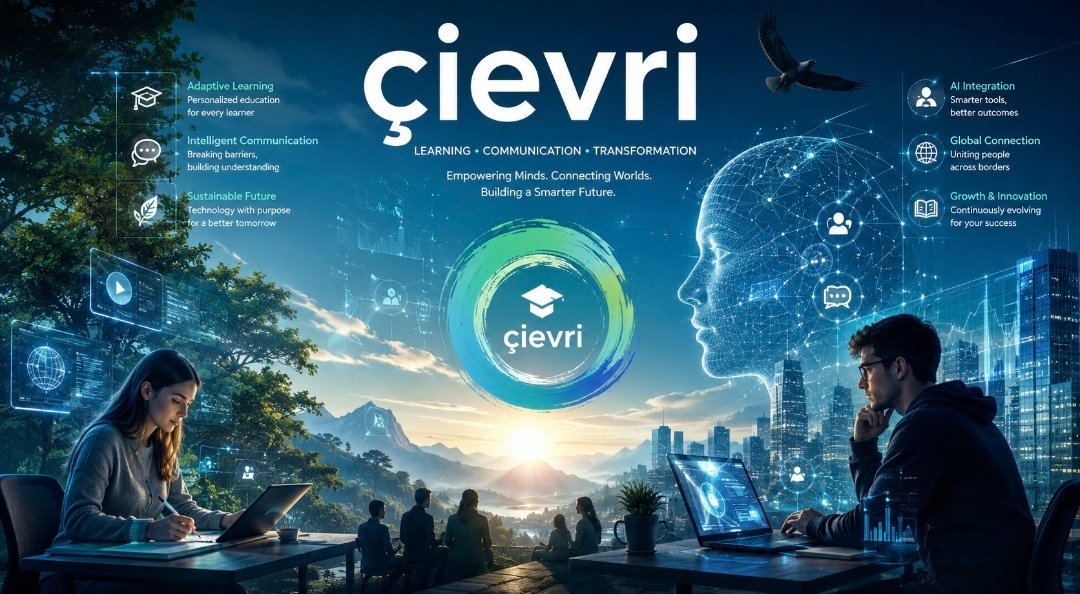
The digital age has transformed how people learn, communicate, and interact with technology. Yet amid rapid innovation, many concepts emerge and disappear without leaving a lasting impact. One idea that has steadily attracted attention in discussions surrounding education, technology, human-centered communication, and digital transformation is çievri. More than a simple term, it represents a broader philosophy that combines intelligent learning systems, adaptive communication methods, and modern technological frameworks into a unified vision. As organizations, educators, and innovators search for more meaningful ways to connect people with information, the growing relevance of çievri reflects a deeper shift toward smarter, more personalized experiences that prioritize both human understanding and technological advancement.
The Origins and Meaning Behind çievri
The concept of çievri is often associated with ideas of transformation, cycles, renewal, and adaptation. Various discussions tracing its roots suggest connections to Turkic cultural traditions where related linguistic forms were linked to change, movement, and the continuous flow of life. Over time, these symbolic meanings evolved beyond cultural contexts and became connected with contemporary discussions about digital transformation, communication, and learning. Rather than representing a single technology or platform, çievri has gradually developed into a broader framework that reflects how individuals and organizations adapt to changing environments. This evolution from cultural symbolism to modern application is one reason the concept has attracted growing interest across educational and technological communities.
READ MORE: instablu: Transforming Digital Growth in a Social-First Era
The Emergence of a Modern Digital Philosophy
One of the most compelling aspects of çievri is that it functions as a philosophy rather than merely a product. Modern interpretations describe it as a system that blends technological innovation with human-centered thinking. Instead of emphasizing technology for its own sake, the philosophy encourages the use of digital tools to improve understanding, strengthen communication, and enhance learning outcomes. This perspective aligns closely with contemporary trends in artificial intelligence, adaptive learning systems, and personalized user experiences. The philosophy emphasizes that technology should amplify human potential rather than replace human interaction, making it particularly relevant in an era increasingly shaped by automation and digital connectivity.
The Role of Technology Within the Framework
Technology occupies a central position within the broader vision of çievri. Discussions surrounding the concept frequently highlight artificial intelligence, intelligent communication systems, and interactive educational environments. These technologies are viewed as tools capable of creating more efficient pathways for knowledge sharing and collaboration. Rather than presenting information through static methods, technology within this framework adapts to individual needs, learning patterns, and communication preferences. Such adaptability reflects a growing trend across modern digital ecosystems, where personalization has become a defining feature of successful technological solutions. The integration of AI-driven assistance, real-time feedback, and contextual learning demonstrates how technology can become more responsive and meaningful for users.
Educational Transformation and Adaptive Learning
Education represents one of the most frequently discussed applications associated with çievri. Traditional educational systems often struggle to accommodate different learning styles, varying levels of knowledge, and rapidly changing professional requirements. In contrast, the principles linked to this concept promote flexible learning environments that can adjust according to individual needs. Interactive modules, multimedia content, simulations, and adaptive assessments create more engaging educational experiences. These approaches allow learners to absorb information at their own pace while receiving continuous feedback. Such innovations are increasingly important as remote education, lifelong learning, and professional reskilling become essential components of modern society.
Communication as a Core Pillar
Communication is another foundational element of the çievri framework. The modern world generates enormous amounts of information, yet effective communication remains one of society’s greatest challenges. Misunderstandings, information overload, and fragmented interactions frequently limit productivity and collaboration. The concept proposes communication systems that are more intelligent, context-aware, and personalized. AI-assisted messaging, language support tools, sentiment analysis, and adaptive conversation systems represent examples of how communication can become more meaningful and efficient. By focusing on clarity and understanding, this approach seeks to strengthen human connections while reducing barriers created by complexity and distance.
Human-Centered Innovation and Design
A recurring theme within discussions about çievri is the importance of human-centered innovation. While many technological developments prioritize speed, automation, and efficiency, this philosophy places equal importance on usability, accessibility, and emotional intelligence. Human-centered design ensures that technological systems remain aligned with the needs and experiences of real people. This includes creating interfaces that are intuitive, educational systems that are inclusive, and communication platforms that support genuine interaction. Such an approach reflects broader trends in technology development where user experience increasingly influences long-term success and adoption rates.
Integration With Artificial Intelligence
Artificial intelligence has become one of the defining technologies of the twenty-first century, and its connection to çievri is particularly significant. AI-driven tools enable personalized recommendations, adaptive educational pathways, intelligent communication support, and real-time data analysis. Rather than replacing human decision-making, AI within this framework serves as an enhancement mechanism that helps users navigate information more effectively. As AI technologies continue to mature, their integration with educational and communication systems is expected to become even more sophisticated. This evolution positions the concept as part of a larger movement toward intelligent digital ecosystems that prioritize collaboration between humans and machines.
Audience Reach and Expanding Relevance
The appeal of çievri extends across multiple audiences, including educators, students, professionals, organizations, and technology enthusiasts. Its interdisciplinary nature allows it to address challenges in education, workplace communication, professional development, and digital literacy simultaneously. As hybrid work environments continue to expand and online learning becomes increasingly mainstream, concepts that bridge communication and learning are attracting wider attention. The framework’s flexibility enables it to adapt to different industries and demographic groups, making it relevant to both individuals seeking personal growth and organizations pursuing digital transformation strategies.
Growth Timeline and Evolution of the Concept
Public discussion surrounding çievri has become more visible during the mid-2020s. Articles and analyses published throughout 2025 and 2026 increasingly explored its relationship with education, communication, sustainability, and technological innovation. These discussions reflect a broader societal interest in frameworks that can help individuals navigate rapid technological change while preserving meaningful human connections. The evolution of the concept demonstrates how emerging ideas often develop through collective interpretation and adaptation. Rather than remaining fixed, it continues to expand as new technological capabilities and social challenges emerge.
Sustainability, Cycles, and Long-Term Thinking
Another fascinating dimension associated with çievri is its emphasis on cycles, balance, and sustainability. Some modern interpretations connect the concept with ecological awareness, responsible innovation, and long-term thinking. These perspectives encourage individuals and organizations to consider the broader consequences of technological development rather than focusing solely on immediate results. By embracing cyclical models of growth, learning, and renewal, the philosophy promotes resilience and adaptability. This perspective resonates strongly in a world increasingly concerned with environmental sustainability, digital well-being, and responsible technological progress.
Influence on Professional Development and Workforce Learning
Professional development has undergone significant transformation in recent years. Rapid technological change requires workers to continuously update their skills and adapt to new tools and methodologies. Within this context, çievri offers a framework for lifelong learning that emphasizes flexibility, personalization, and accessibility. AI-assisted training programs, adaptive educational content, and interactive learning environments help professionals acquire new competencies more efficiently. As industries continue to evolve, approaches that support ongoing education and skill development are likely to become increasingly valuable across global labor markets.
Challenges and Criticisms
Like many emerging concepts, çievri faces challenges related to definition, implementation, and measurement. Because the idea encompasses multiple disciplines and interpretations, some observers argue that it remains broad and difficult to standardize. Questions also arise regarding how organizations can effectively implement its principles on a large scale while maintaining consistency and measurable outcomes. Nevertheless, the flexibility of the framework may also be one of its greatest strengths. Its ability to adapt across different industries and contexts allows it to remain relevant as technological and societal needs continue to evolve.
Future Direction and Global Potential
The future of çievri appears closely connected to broader developments in artificial intelligence, educational technology, digital communication, and human-centered innovation. As these fields continue to advance, frameworks that successfully integrate learning, communication, and technological adaptation are likely to gain increasing significance. Future applications may include more sophisticated AI tutors, emotionally intelligent communication systems, immersive learning environments, and sustainable digital ecosystems. The growing emphasis on personalization, accessibility, and meaningful interaction suggests that the core principles associated with this concept will remain relevant well beyond the current decade.
Conclusion
The emergence of çievri reflects a larger transformation occurring across education, communication, and technology. What began as a concept linked to ideas of change and cycles has evolved into a modern framework that encourages intelligent learning, meaningful communication, and responsible innovation. Its growing visibility during recent years highlights society’s search for approaches that balance technological progress with human needs. By combining adaptability, personalization, and long-term thinking, the concept offers valuable insights into how individuals and organizations can thrive in an increasingly digital world. Whether viewed as a philosophy, framework, or emerging movement, its influence continues to expand as technology reshapes the way people learn, connect, and grow.
FAQs
What is çievri in simple terms?
çievri is generally described as a modern framework that combines technology, communication, and learning. It focuses on helping people adapt more effectively to digital environments while improving understanding and interaction.
Where did the concept originate?
The concept is believed to have roots connected to Turkic cultural ideas involving transformation, cycles, and renewal. Modern interpretations have expanded those meanings into educational and technological contexts.
How is artificial intelligence connected to çievri?
Artificial intelligence supports the framework through adaptive learning systems, personalized educational experiences, intelligent communication tools, and real-time feedback mechanisms that improve user engagement and efficiency.
Why is the concept becoming popular?
Interest has increased because people are seeking more effective ways to learn, communicate, and navigate digital transformation. The framework addresses challenges related to information overload, skill development, and technological adaptation.
What does the future look like for çievri?
Future developments are expected to involve deeper integration with artificial intelligence, immersive learning technologies, personalized communication systems, and sustainable digital practices that place human needs at the center of innovation.

The modern internet is crowded with information, yet finding content that is both accessible and relevant remains a challenge for many users. Amid this increasingly complex digital landscape, clickfor net has emerged as a multi-category online publishing platform that brings together articles, insights, guides, and industry-focused content under one umbrella. While it may not possess the global recognition of major media organizations, its growing presence demonstrates how niche digital publishing platforms continue to carve out meaningful space in today’s content-driven ecosystem. Through a combination of technology coverage, business discussions, lifestyle content, and guest contributions, the platform has attracted readers seeking practical information presented in an easy-to-consume format.
The Origin and Purpose Behind clickfor net
The rise of independent publishing platforms reflects a broader shift in how audiences consume information online. Rather than relying exclusively on large media corporations, readers increasingly explore specialized websites that focus on diverse topics while maintaining an approachable style. clickfor net appears to have developed within this environment as a content-centric platform designed to accommodate a wide range of interests and industries. According to publicly accessible information, the website publishes articles covering technology, business, health, law, education, automotive topics, lifestyle trends, and general knowledge subjects. This broad content strategy enables it to appeal to multiple audience segments rather than restricting itself to a single niche.
The platform’s structure suggests an emphasis on information sharing and guest publishing opportunities. This model has become increasingly common as businesses, marketers, professionals, and independent writers seek additional channels to reach readers and establish digital visibility. Rather than functioning solely as a news outlet, the website operates as a content hub where educational articles, industry commentary, and practical guides coexist within the same ecosystem.
READ MORE: Who Is Victoria Granucci? Life Beyond John Mellencamp
Content Categories and Editorial Diversity
One of the defining characteristics of clickfor net is the breadth of topics available to visitors. Unlike highly specialized publications that focus exclusively on technology, finance, or health, the platform embraces a multi-category approach. Readers can encounter articles discussing cybersecurity developments alongside business insights, legal information, personal development topics, and real estate discussions. This editorial diversity broadens audience appeal while allowing contributors from various professional backgrounds to participate.
Technology remains one of the most prominent content categories. Articles frequently explore digital security, software development, blockchain innovation, online tools, and emerging technology trends. At the same time, the platform publishes educational material intended for readers who may not possess advanced technical expertise. This balance between accessibility and relevance has become increasingly important in an era when technological developments influence nearly every aspect of daily life.
Beyond technology, the platform extends into lifestyle, automotive, legal, education, health, and business sectors. Such variety encourages repeat visits from users whose interests span multiple subjects. Rather than forcing readers to navigate several specialized websites, the platform attempts to provide a centralized environment for information consumption.
The Technological Framework Supporting the Platform
Modern content platforms rely heavily on user-friendly architecture, responsive design, and efficient content management systems. While detailed technical specifications for the website are not publicly documented, its operational model reflects common characteristics of contemporary publishing platforms. Readers can browse category-specific sections, access archived content, and navigate recent publications through a structured interface.
Mobile responsiveness is particularly important in today’s digital environment, where mobile devices account for a significant portion of global internet traffic. Reports discussing the platform frequently highlight its accessibility across desktops, tablets, and smartphones. This responsiveness contributes to improved user engagement and supports the growing trend toward mobile-first content consumption.
The platform also appears to prioritize straightforward navigation and content discoverability. By organizing information into clearly defined categories, readers can locate relevant material without excessive complexity. Such design considerations are increasingly essential as attention spans shorten and users expect rapid access to information.
Audience Reach and Reader Engagement
A digital platform’s success is often measured not only by traffic volume but also by its ability to maintain audience engagement. Multi-category websites face the challenge of attracting diverse readers while ensuring content remains relevant and useful. The growing online visibility of clickfor net suggests that it has found a niche among users seeking informational content across several industries.
Its audience appears to include students, entrepreneurs, business professionals, digital marketers, technology enthusiasts, and general readers interested in practical guidance. Because the platform avoids concentrating solely on one field, it can attract visitors from multiple demographic groups. This broad appeal may contribute to stronger long-term sustainability compared to platforms dependent on a narrow audience segment.
Engagement is further supported by regularly updated content. New articles addressing contemporary issues, emerging technologies, business developments, and lifestyle trends help maintain relevance in an increasingly competitive information landscape. Consistent publication activity remains one of the most important factors influencing audience retention for independent publishing platforms.
The Role of Guest Publishing and Contributor Networks
One notable aspect of clickfor net is its apparent openness to contributor-generated content and guest publishing opportunities. This approach allows the platform to expand topic coverage without relying exclusively on an in-house editorial team. Guest contributors often bring specialized expertise, industry experience, and unique perspectives that enrich overall content quality.
For contributors, guest publishing provides an opportunity to reach new audiences, establish authority within specific fields, and share valuable insights. For readers, it creates access to a wider variety of viewpoints and expertise. The relationship becomes mutually beneficial, helping both the platform and its contributors strengthen their digital presence.
This collaborative publishing model has become increasingly common across independent media websites because it enables rapid content expansion while maintaining subject diversity. As online audiences continue demanding fresh information, contributor networks provide a scalable solution for sustainable growth.
Business Model and Monetization Strategy
Like many independent content platforms, clickfor net likely operates through a combination of advertising, sponsored content opportunities, partnership arrangements, and contributor-based publishing services. Although detailed financial information has not been publicly disclosed, such revenue models are standard across multi-category digital publishing websites.
Advertising remains one of the most widely used monetization methods in digital publishing. As audience traffic grows, websites can generate revenue through display advertisements, affiliate relationships, and sponsored placements. Guest posting opportunities may also contribute to revenue generation by providing businesses with additional content distribution channels.
The sustainability of this model depends heavily on maintaining audience trust. Readers are increasingly selective regarding online information sources, making content quality a critical factor in long-term monetization success. Platforms that balance commercial objectives with genuine informational value typically enjoy stronger retention and credibility.
Growth Timeline and Digital Evolution
The development of independent online publishing platforms often follows a gradual progression rather than a sudden breakthrough. Available information suggests that clickfor net has expanded its content portfolio over time, adding articles across numerous industries while strengthening its visibility among readers seeking educational and informational resources.
As digital publishing matured during the 2020s, platforms capable of adapting to changing audience preferences gained competitive advantages. Readers increasingly sought concise explanations, practical guidance, and simplified interpretations of complex topics. Content published across the platform reflects these broader industry trends by emphasizing accessibility and reader-friendly presentation.
The continued expansion of category coverage also indicates an effort to diversify readership. Rather than remaining confined to a single content vertical, the platform has embraced a broader editorial mission that supports audience growth and long-term relevance.
Innovation in a Crowded Content Landscape
Standing out in the digital publishing industry is increasingly difficult. Thousands of websites compete for reader attention daily, making innovation essential. While clickfor net does not appear to focus on groundbreaking technological inventions, its innovation lies in content accessibility, category diversity, and user-oriented presentation.
Simplifying technical subjects for general audiences represents a significant value proposition. Readers often struggle to understand highly specialized terminology and industry jargon. Platforms capable of translating complex concepts into understandable language fill an important gap within the online information ecosystem.
The integration of educational content, industry commentary, and practical guidance further enhances user value. Instead of merely reporting information, successful digital platforms increasingly focus on helping readers interpret and apply knowledge in meaningful ways.
Impact on Modern Digital Publishing
The emergence of platforms such as clickfor net illustrates how the publishing industry continues evolving beyond traditional media structures. Independent websites now play a significant role in information dissemination, knowledge sharing, and professional communication. Through diverse content offerings, these platforms contribute to a more decentralized information environment.
Their influence extends beyond readership numbers alone. By providing publishing opportunities for contributors, businesses, educators, and industry professionals, such platforms help democratize content creation. This broader participation enriches public discourse while expanding access to specialized knowledge.
Additionally, the platform’s focus on educational and informational content aligns with growing demand for practical digital literacy. As technology continues transforming society, readers increasingly seek reliable explanations of emerging developments and their real-world implications.
Future Direction and Long-Term Potential
The future of digital publishing will likely be shaped by personalization, mobile accessibility, content authenticity, and audience trust. For clickfor net, continued success may depend on its ability to maintain content quality while adapting to evolving reader expectations. Expanding multimedia formats, improving user engagement features, and strengthening contributor networks could further enhance its position within the digital publishing ecosystem.
Artificial intelligence, data-driven personalization, and interactive content experiences are already transforming online publishing. Platforms that successfully integrate these developments while preserving editorial integrity will be better positioned for sustainable growth. As audiences become more discerning, authenticity and informational value will remain critical competitive advantages.
The platform’s broad category coverage may also prove beneficial in an increasingly fragmented online environment. By serving multiple interest groups simultaneously, it can reduce dependence on any single content trend and maintain resilience amid changing digital consumption patterns.
Conclusion
The story of clickfor net reflects a broader transformation occurring across the digital publishing landscape. Rather than competing directly with global media giants, it has positioned itself as a versatile content hub serving readers interested in technology, business, lifestyle, education, and numerous other fields. Through accessible writing, diverse subject coverage, contributor participation, and ongoing content development, the platform has established a recognizable presence within the independent publishing sector. As digital information consumption continues evolving, platforms that prioritize clarity, relevance, and audience value are likely to remain important resources for readers seeking trustworthy and engaging content. The continued growth of such platforms demonstrates that there is still significant demand for accessible, multi-category knowledge-sharing environments in the modern internet era.
FAQs
What is clickfor net primarily used for?
clickfor net is primarily used as a multi-category content platform where readers can access articles, guides, educational resources, industry insights, and informational content across technology, business, lifestyle, health, and other sectors.
Who is the target audience of clickfor net?
The platform serves a diverse audience that includes students, entrepreneurs, professionals, marketers, technology enthusiasts, researchers, and general readers seeking practical information presented in an understandable format.
Does clickfor net focus only on technology content?
No. While technology is an important category, the platform also publishes content related to business, law, health, education, automotive topics, lifestyle trends, real estate, and several other subject areas.
How does clickfor net generate revenue?
Although detailed financial information is not publicly available, the platform likely follows common digital publishing models that include advertising partnerships, sponsored content opportunities, guest publishing services, and other content-based revenue streams.
What makes clickfor net different from many other content websites?
Its broad editorial approach, contributor-driven content strategy, reader-friendly presentation style, and ability to cover multiple industries within a single platform help distinguish it from websites that focus exclusively on one niche or topic area.

Lighting has always been more than a practical necessity. It shapes moods, influences productivity, enhances architecture, and creates memorable experiences in homes, workplaces, and public spaces. In an era where sustainability, energy efficiency, and smart infrastructure are becoming global priorities, companies operating within the lighting industry face growing expectations. Among the names that have gained recognition in the Middle East lighting sector, lamps4u stands out for its commitment to quality-certified products, environmental responsibility, and comprehensive lighting solutions. From energy-efficient lamps to large-scale commercial lighting projects and innovative recycling initiatives, the company has positioned itself as an important player in the region’s evolving lighting landscape.
The Origin and Foundation of lamps4u
The story of lamps4u is closely connected to the rapid urban development witnessed across the Gulf region during the past two decades. Established as Lamps4U FZCO in Dubai, United Arab Emirates, the company emerged during a period when governments, businesses, and developers were actively seeking modern lighting technologies capable of reducing energy consumption while maintaining high performance standards. Operating from Dubai Silicon Oasis, a technology-focused free zone, the company developed a strategic position that allowed it to serve commercial, residential, industrial, and infrastructure projects throughout the UAE and neighboring markets.
Its establishment reflected a growing demand for certified and environmentally conscious lighting products. Rather than focusing solely on product sales, the company adopted a broader approach that combined manufacturing, distribution, technical expertise, and sustainability initiatives under one operational framework.
READ MORE: tracqueur: The Smart Tracking Revolution Reshaping Mobility
Building a Strong Presence in the Regional Lighting Industry
The lighting market in the Gulf Cooperation Council region has experienced remarkable growth due to urban expansion, large-scale infrastructure investments, smart city initiatives, and increasing environmental regulations. Within this competitive environment, lamps4u developed its reputation by supplying solutions that align with regional quality and efficiency requirements.
The company gradually expanded its reach across the UAE, GCC countries, and selected markets within the Middle East and North Africa region. Its ability to serve contractors, developers, consultants, facility managers, and government-related projects helped strengthen its position. Instead of competing solely on pricing, the company emphasized compliance, reliability, technical support, and long-term operational value. This strategy enabled it to establish relationships with clients managing projects where lighting performance directly affects operating costs and sustainability targets.
Product Portfolio Designed for Diverse Applications
One of the defining characteristics of lamps4u is the breadth of its product range. The company supplies multiple lighting technologies that address the needs of different sectors and environments. Its portfolio includes LED lamps, compact fluorescent lamps, fluorescent tubes, high-intensity discharge systems, and halogen lighting products.
The company also provides decorative fixtures, architectural lighting solutions, exterior lighting systems, commercial luminaires, and industrial-grade products. This extensive catalog allows project managers and developers to source various lighting requirements from a single supplier, simplifying procurement and ensuring compatibility across installations.
The flexibility of its offerings enables the company to participate in projects ranging from office complexes and shopping centers to residential communities, hospitality developments, educational facilities, warehouses, and public infrastructure projects. Such versatility has contributed significantly to its regional relevance and market longevity.
Commitment to Energy Efficiency and Sustainability
The global shift toward sustainable development has transformed the lighting industry. Governments and businesses increasingly seek technologies that reduce electricity consumption and lower carbon emissions. lamps4u recognized this trend early and focused heavily on promoting energy-efficient lighting systems.
LED technology became a central component of the company’s strategy because of its ability to consume substantially less electricity than traditional incandescent and fluorescent alternatives. LEDs also provide longer operational lifespans, reducing maintenance costs and replacement frequency. For commercial facilities operating thousands of fixtures daily, these benefits can translate into significant financial savings over time.
The company’s sustainability focus extends beyond energy efficiency. By encouraging the adoption of advanced lighting technologies, it contributes to broader environmental goals related to carbon reduction, resource conservation, and responsible consumption.
Quality Certifications and Industry Compliance
In highly regulated markets, product certification serves as an essential indicator of quality and reliability. One of the strongest differentiators associated with lamps4u is its emphasis on certified products that meet recognized standards. The company is known for offering lighting products carrying the Emirates Quality Mark, a certification that demonstrates compliance with UAE quality and safety requirements.
Such certifications provide reassurance to architects, engineers, consultants, and contractors who must ensure that installed products satisfy regulatory expectations. Compliance becomes particularly important in government projects, large-scale commercial developments, and infrastructure initiatives where safety and performance standards are rigorously enforced.
The company’s dedication to quality has helped establish trust among industry professionals who prioritize reliability, durability, and long-term operational performance when selecting lighting solutions.
Technological Innovation and Lighting Advancement
Modern lighting systems have evolved far beyond simple illumination. Today’s buildings increasingly integrate intelligent technologies capable of enhancing efficiency, monitoring usage patterns, and improving occupant experiences. lamps4u has adapted to this transformation by supporting products and solutions aligned with emerging industry trends.
Advanced lighting technologies now offer capabilities such as improved energy management, enhanced light distribution, superior color rendering, and compatibility with smart building systems. These developments are particularly important in commercial environments where lighting contributes significantly to operational costs and workplace productivity.
By remaining engaged with technological advancements, the company strengthens its ability to support clients pursuing modern infrastructure objectives. This forward-looking approach positions it favorably within an industry undergoing rapid digital and environmental transformation.
The Lampswithbenefits Recycling Initiative
A particularly notable aspect of lamps4u is its focus on end-of-life lamp management. While many lighting suppliers concentrate solely on selling products, the company has gained attention for addressing the environmental challenges associated with lamp disposal.
Its Lampswithbenefits recycling initiative was developed in partnership with waste management specialists to provide a structured solution for handling spent lamps safely. The program focuses on collecting, processing, and recycling lighting products that may contain materials requiring specialized treatment. According to publicly available information, the initiative utilizes specialized collection systems and processing technology designed to capture hazardous components such as mercury vapor during recycling operations.
This initiative demonstrates a broader understanding of environmental responsibility and reflects a lifecycle approach to lighting management. By helping organizations dispose of lighting waste responsibly, the company contributes to safer waste handling practices and environmental protection efforts.
Serving Commercial, Residential, and Industrial Markets
The versatility of lamps4u allows it to serve a wide range of customer segments. Commercial developments represent a major area of activity because offices, retail centers, hotels, and mixed-use projects often require extensive lighting systems that balance efficiency, aesthetics, and compliance requirements.
Residential projects also benefit from the company’s diverse product selection. Developers and homeowners increasingly seek lighting solutions that enhance visual appeal while reducing energy consumption. Decorative fixtures, ambient lighting systems, and modern LED technologies help achieve these objectives.
Industrial facilities present another important market. Warehouses, manufacturing sites, logistics centers, and infrastructure projects demand durable lighting capable of performing reliably under challenging conditions. The company’s ability to address these varied requirements has expanded its market reach and strengthened its industry position.
Strategic Importance of Dubai Silicon Oasis Location
Location can significantly influence a company’s operational efficiency and market access. By establishing operations within Dubai Silicon Oasis, lamps4u benefits from proximity to one of the region’s leading technology and business hubs.
Dubai Silicon Oasis offers advanced infrastructure, logistics connectivity, and access to regional transportation networks. These advantages support efficient distribution throughout the UAE and neighboring countries. The location also aligns with the company’s focus on innovation and modern technologies, reinforcing its identity as a forward-looking participant within the lighting industry.
This strategic positioning has contributed to the company’s ability to respond effectively to customer needs while maintaining regional distribution capabilities across multiple markets.
Industry Impact and Market Relevance
The influence of lighting extends far beyond illumination. Effective lighting improves workplace performance, enhances safety, supports educational environments, creates welcoming hospitality experiences, and contributes to urban development objectives. Companies operating within this sector therefore play a meaningful role in shaping modern infrastructure.
lamps4u has contributed to these outcomes by promoting energy-efficient technologies and supporting sustainability-focused initiatives. Its emphasis on certified products and environmental responsibility aligns with broader trends affecting construction, real estate, and facility management sectors.
As governments continue implementing stricter efficiency standards and sustainability targets, suppliers capable of delivering compliant and environmentally responsible solutions are likely to maintain growing relevance. The company’s strategic focus places it within this evolving landscape.
Future Growth Opportunities and Industry Direction
The future of lighting will be shaped by several major trends, including smart city development, connected building technologies, energy optimization, and environmental accountability. As urban populations continue expanding, demand for efficient lighting infrastructure is expected to remain strong.
lamps4u appears well-positioned to benefit from these developments due to its existing focus on certified products, sustainable technologies, and lifecycle management. Opportunities may emerge through greater integration with intelligent building systems, expanded LED adoption, advanced controls, and enhanced environmental services.
The increasing importance of sustainability reporting among corporations and public institutions may further strengthen demand for suppliers capable of supporting both operational efficiency and environmental objectives. This evolving market environment presents substantial opportunities for continued growth and innovation.
Conclusion
The evolution of lamps4u reflects broader changes occurring throughout the global lighting industry. What began as a regional lighting supplier has developed into a company recognized for its emphasis on energy efficiency, quality certification, sustainability, and comprehensive project support. Through its diverse product portfolio, commitment to compliance, and innovative recycling initiatives, the company addresses many of the challenges facing modern construction and facility management sectors. As cities become smarter, environmental expectations become stricter, and energy efficiency remains a central priority, lamps4u is positioned to continue playing an important role in shaping the future of responsible and effective lighting solutions across the region.
FAQs
What is lamps4u and what does the company do?
lamps4u is a Dubai-based lighting company that supplies energy-efficient lamps, fixtures, and lighting solutions for commercial, residential, industrial, and infrastructure projects across the UAE and surrounding regions.
Where is lamps4u headquartered?
The company operates from Dubai Silicon Oasis in the United Arab Emirates. This strategic location supports distribution, logistics, and access to key regional construction and infrastructure markets.
What types of lighting products does lamps4u provide?
The company offers LED lamps, compact fluorescent lamps, fluorescent tubes, high-intensity discharge systems, halogen products, decorative fixtures, architectural lighting, and commercial lighting solutions for various applications.
What makes lamps4u different from many lighting suppliers?
One major distinction is its commitment to environmental responsibility through recycling initiatives and lifecycle management programs. The company combines product supply, technical expertise, compliance support, and sustainability efforts under a single operational model.
Why are certifications important for lamps4u products?
Certifications demonstrate that products meet recognized safety, quality, and performance standards. This helps developers, contractors, consultants, and facility managers ensure regulatory compliance and long-term reliability in their projects.

In an era where connected technology influences nearly every aspect of daily life, the ability to locate, monitor, and protect valuable assets has become more important than ever. From private vehicles and commercial fleets to motorcycles and specialized equipment, modern tracking systems have evolved from simple location tools into sophisticated security ecosystems. Among the names associated with this transformation, tracqueur has earned recognition for its role in vehicle recovery, telematics innovation, and intelligent mobility solutions. Its journey reflects broader technological changes that have reshaped transportation, security, and data-driven fleet management across Europe.
The Origins and Early Vision Behind tracqueur
The story of tracqueur began in France during the late 1990s, a period when vehicle theft represented a growing concern for both consumers and insurers. The company was established in 1997 with a clear mission: develop advanced technologies capable of locating and recovering stolen vehicles quickly and efficiently. Rather than relying solely on traditional security methods, the organization focused on combining radio-frequency detection with emerging digital tracking technologies.
In its early years, the company invested heavily in infrastructure, building detection networks and collaborating with authorities to create a reliable recovery system. This strategic foundation allowed it to establish itself as a specialized provider in a niche market where accuracy and response time were critical factors. The early commitment to innovation would later become one of the defining characteristics of tracqueur.
READ MORE: fundfireinsight.com: A Closer Look at a Modern Financial Insights Platform
Building Leadership in Vehicle Recovery Technology
What distinguished tracqueur from many security providers was its concentration on post-theft recovery rather than solely theft prevention. While alarms and immobilizers attempted to stop thefts from occurring, the company focused on maximizing the chances of recovering stolen vehicles after an incident.
Throughout the early 2000s, partnerships with insurance providers and automobile manufacturers helped expand the company’s reach. As confidence in its recovery capabilities grew, more vehicle owners adopted its solutions. The organization developed a reputation for combining tracking technologies with operational support, creating a comprehensive service rather than simply selling hardware.
This approach proved effective in a market where successful recovery could significantly reduce financial losses for both insurers and customers. As adoption increased, the company became a recognized player within France’s vehicle security sector.
Technological Framework and Core Infrastructure
The technological framework behind tracqueur combines multiple tracking methods to improve reliability under different conditions. Traditional GPS technology provides precise positioning, while additional communication systems help maintain connectivity when satellite signals are weak or unavailable.
One of the company’s notable strengths has been its use of radio-frequency technologies capable of operating in challenging environments. Vehicles hidden inside buildings, underground parking structures, or metal containers can be difficult to locate using standard GPS solutions alone. By integrating complementary tracking systems, tracqueur developed a more resilient recovery infrastructure.
Over time, advances in telecommunications, sensor technology, and cloud computing further enhanced the effectiveness of these solutions. Real-time monitoring, remote diagnostics, and predictive alerts gradually became part of a broader connected mobility ecosystem.
Expansion Beyond Security Into Telematics
As the connected vehicle industry matured, tracqueur expanded beyond theft recovery and entered the telematics market. Telematics combines telecommunications, vehicle data collection, and digital analytics to provide actionable insights about vehicle operations.
This transition represented an important milestone because it allowed the company to serve commercial customers in addition to private vehicle owners. Businesses managing fleets could access information about vehicle locations, fuel consumption, driving behavior, maintenance requirements, and route efficiency.
The shift toward telematics reflected broader trends in transportation technology. Organizations increasingly sought tools that could improve operational performance while reducing costs. By leveraging its existing tracking expertise, tracqueur successfully positioned itself within this growing sector.
Partnerships That Accelerated Market Growth
Strategic partnerships have played a significant role in the development of tracqueur. Collaborations with insurance companies helped validate the effectiveness of its security solutions while creating incentives for vehicle owners to adopt tracking technologies.
Relationships with automotive manufacturers also contributed to market expansion. Vehicle brands increasingly recognized the value of integrated security systems capable of enhancing customer confidence and reducing theft-related losses. These partnerships enabled tracking technologies to become part of broader vehicle ownership experiences.
The company additionally participated in industry alliances focused on cross-border recovery operations. Such cooperation became increasingly important as vehicle theft networks expanded beyond national boundaries. International collaboration strengthened the ability to recover vehicles across multiple European jurisdictions.
Innovation Milestones and Product Development
Innovation has consistently shaped the trajectory of tracqueur. Over the years, the company introduced several generations of tracking devices designed to address evolving customer needs and technological capabilities.
Product development focused on improving battery life, reducing device size, increasing installation flexibility, and enhancing signal reliability. Autonomous tracking units capable of operating independently for extended periods represented an important advancement. These devices offered greater protection for assets that lacked permanent power sources.
Additional innovations included solutions tailored specifically for motorcycles, commercial fleets, trailers, and specialized equipment. By diversifying its product portfolio, the company broadened its market reach while responding to unique operational requirements across different industries.
Audience Reach and Industry Adoption
The customer base associated with tracqueur extends across multiple sectors. Individual vehicle owners represent one important audience, particularly those seeking enhanced protection for high-value cars or motorcycles. Commercial operators form another significant segment, including logistics companies, construction firms, rental providers, and service organizations managing mobile workforces.
Fleet management customers benefit from tracking capabilities that improve operational visibility and decision-making. Security-focused users prioritize theft recovery and asset protection. This diversity has allowed the company to maintain relevance despite changing market conditions.
As connected technologies become increasingly common, the demand for comprehensive tracking and telematics solutions continues to grow. Organizations seeking efficiency, accountability, and security often view advanced tracking systems as essential business tools rather than optional accessories.
Digital Transformation and Connected Mobility
The rise of digital transformation fundamentally changed how tracking technologies operate. Modern systems no longer function as isolated devices; instead, they form part of interconnected ecosystems that process large volumes of real-time data.
For tracqueur, digital transformation enabled the integration of mobile applications, cloud-based dashboards, automated reporting, and intelligent analytics. Users gained access to information anytime and anywhere, improving responsiveness and operational control.
Connected mobility has further expanded the possibilities. Vehicles increasingly communicate with infrastructure, software platforms, and external services. This connectivity creates opportunities for predictive maintenance, route optimization, and enhanced driver safety. Tracking technologies now serve as foundational components within broader smart mobility frameworks.
The Business Model and Revenue Structure
The business model behind tracqueur extends beyond hardware sales. While physical tracking devices remain important, recurring service subscriptions provide a significant source of ongoing value.
Customers typically pay for access to monitoring services, data platforms, recovery support, and software tools. This subscription-based structure aligns revenue generation with continuous service delivery rather than one-time transactions.
For enterprise customers, advanced analytics and fleet management capabilities create additional opportunities for value creation. The combination of hardware, software, connectivity, and operational support helps establish long-term customer relationships while supporting sustainable business growth.
Recognition and Industry Impact
Over the years, tracqueur gained recognition within the technology and transportation sectors for its contributions to vehicle security and telematics innovation. Industry observers have frequently highlighted the company’s role in advancing stolen vehicle recovery technologies and promoting connected fleet management solutions.
Its influence extends beyond individual products. By demonstrating the practical benefits of integrated tracking systems, the company helped accelerate broader adoption of telematics technologies across multiple industries.
The impact is particularly evident in areas such as asset protection, operational efficiency, insurance risk management, and fleet optimization. These contributions illustrate how tracking technologies can deliver measurable benefits in both consumer and commercial contexts.
Challenges in a Rapidly Evolving Market
Despite its achievements, tracqueur operates within a highly competitive environment characterized by rapid technological change. New entrants, emerging communication standards, and evolving customer expectations continually reshape the market landscape.
Privacy regulations also require careful attention. As tracking systems collect and process increasing amounts of location and behavioral data, organizations must balance innovation with responsible data governance.
Cybersecurity represents another critical challenge. Connected devices and cloud platforms must be protected against unauthorized access and potential vulnerabilities. Maintaining trust requires ongoing investment in security, compliance, and infrastructure resilience.
Future Direction and Emerging Opportunities
Looking ahead, the future of tracqueur will likely be influenced by several transformative trends. Artificial intelligence is expected to enhance predictive analytics, enabling systems to identify risks and opportunities before they become visible through traditional monitoring methods.
The continued expansion of connected vehicles will generate richer streams of operational data. Advanced machine learning models may improve theft detection, maintenance forecasting, and route optimization. Meanwhile, the growth of electric vehicles introduces new requirements for battery monitoring and energy management.
Smart cities, autonomous transportation systems, and next-generation wireless networks could further expand the role of tracking technologies. As mobility ecosystems become increasingly interconnected, solutions that combine security, analytics, and operational intelligence are likely to remain highly relevant.
Conclusion
The evolution of tracqueur illustrates how a focused security solution can grow into a sophisticated technology platform serving diverse transportation and mobility needs. Beginning as a vehicle recovery specialist, the company expanded into telematics, fleet management, and connected mobility services while maintaining its emphasis on innovation and reliability. Its history reflects broader shifts within the transportation technology landscape, where data, connectivity, and intelligent analytics increasingly shape operational success. As digital transformation continues to redefine mobility, tracqueur remains an example of how specialized expertise can adapt to changing technological realities and create lasting industry impact.
FAQs
What is tracqueur primarily known for?
tracqueur is primarily recognized for vehicle recovery, asset tracking, and telematics solutions. The company developed technologies designed to locate stolen vehicles and later expanded into fleet management and connected mobility services.
When was tracqueur established?
The company was established in France in 1997. Its original focus centered on developing advanced systems for locating and recovering stolen vehicles using specialized tracking technologies and operational support networks.
How does tracqueur differ from basic GPS trackers?
Unlike simple GPS trackers, tracqueur solutions have historically combined multiple technologies, including radio-frequency systems and telematics capabilities. This approach improves reliability and supports broader services such as fleet monitoring and asset management.
Who typically uses tracqueur services?
Its services are used by individual vehicle owners, commercial fleet operators, logistics providers, construction companies, insurers, and organizations seeking improved visibility, security, and operational efficiency for mobile assets.
What future technologies may influence tracqueur?
Artificial intelligence, connected vehicles, smart city infrastructure, advanced wireless networks, and predictive analytics are expected to influence future development. These technologies can enhance tracking accuracy, operational insights, and overall mobility management capabilities.